Crop-specific feeding schedules built from years of farmer-trial data. Print them, pin them to the shed, follow them once, you'll have them memorized by year two. Nine guides covering everything from a windowsill pothos to a backyard orchard.
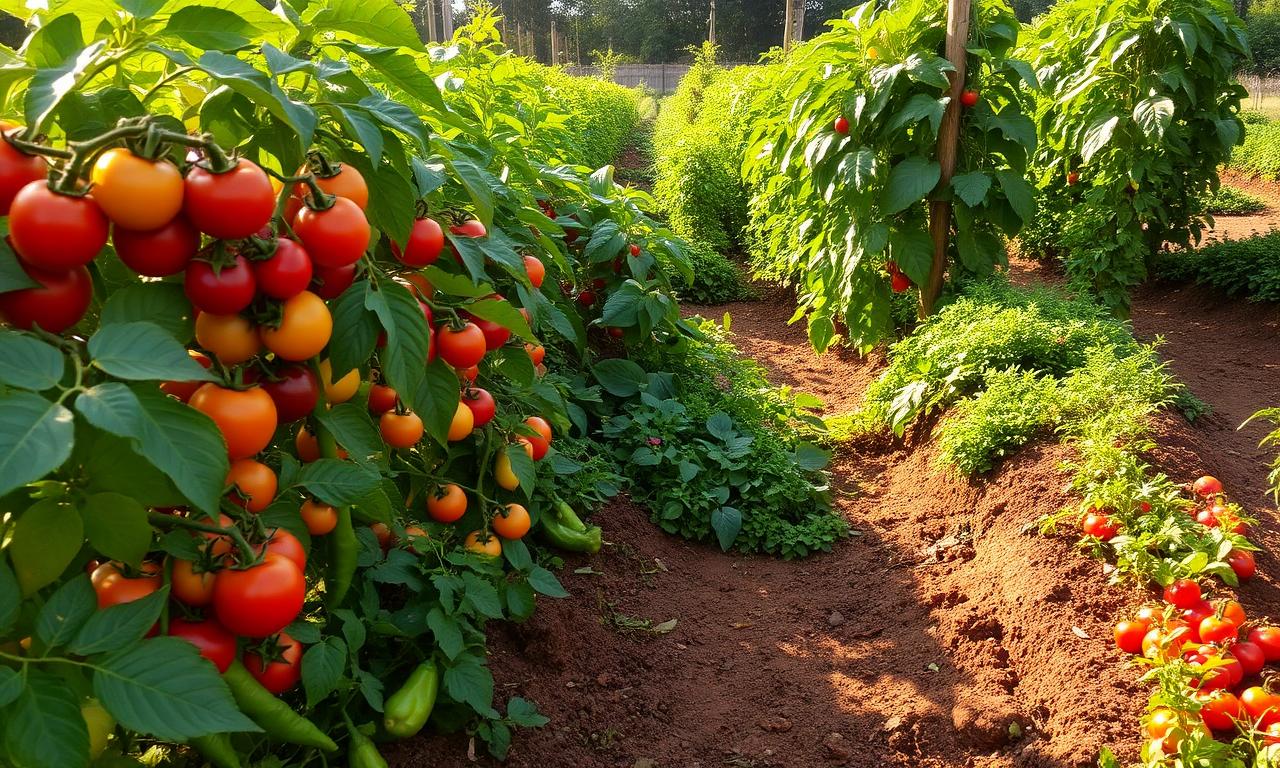
Vegetable garden
From spring transplant to fall cleanup.
Vegetables are heavy feeders that pull a lot from the soil in a short window. The goal is steady nitrogen during leaf growth, then a clean shift to potassium and trace minerals once fruit sets so flavor and yield catch up at the same time.
Feeding schedule
01At transplant, drench the root zone with 1 oz per gallon Garden formula. Soak until water runs from the bottom of the bed.
02Weeks 2 through 6, foliar spray every 10 days at 0.5 oz per gallon. Spray early morning so leaves dry before midday.
03At first fruit set, switch to Garden at 1 oz per gallon weekly. Apply to the soil, not the foliage.
04Two weeks before harvest, stop nitrogen entirely. Finish with Garden to push sugars and aromatic compounds.
05After final harvest, broadcast a half-strength Garden drench to feed soil biology over winter.
Field tips
Tomatoes, peppers, squash, eggplant: follow the full schedule.
Leafy greens (lettuce, spinach, kale): stop at step 2, harvest while tender.
Root crops (carrots, beets): use half rate on steps 1 and 2, skip step 3.
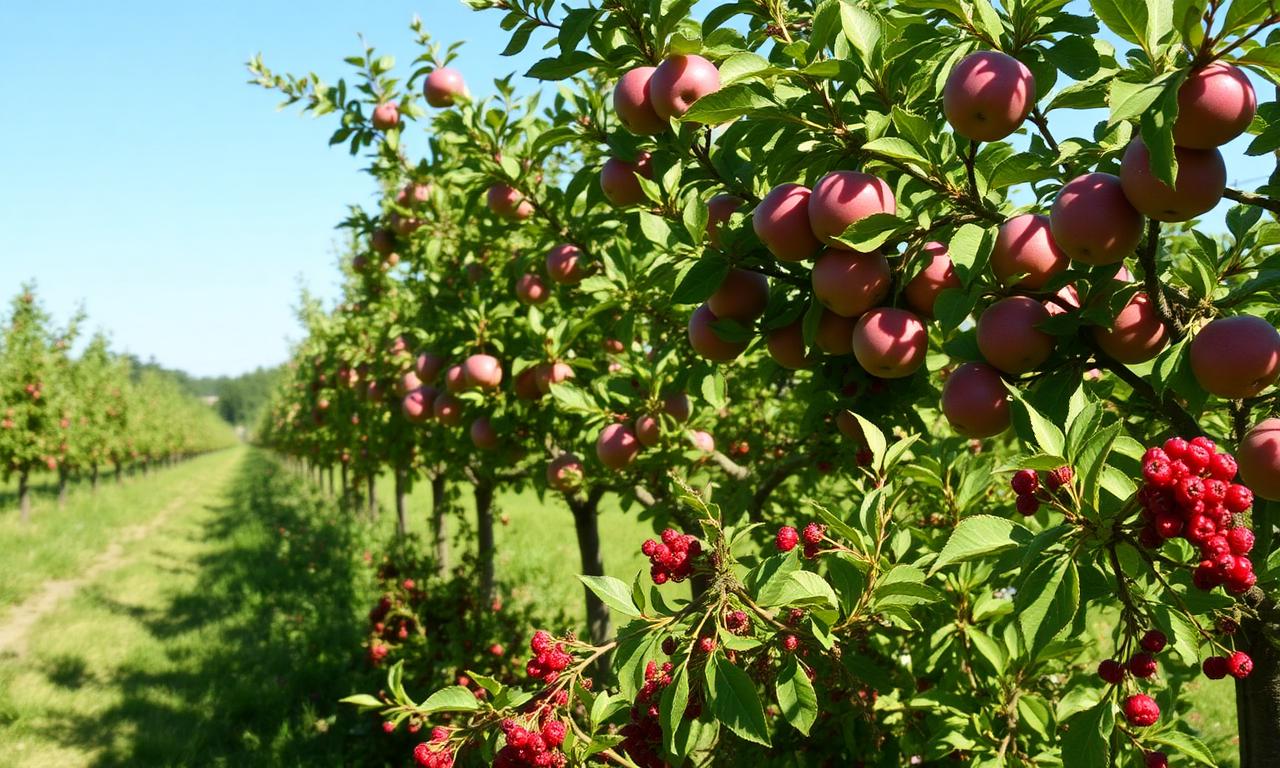
Fruit trees and berries
A year-round rhythm for orchard health.
Trees and berry canes live on stored energy. They need feeding before the leaves push, not after, so the root system has fuel ready when the canopy wakes up. One missed late-winter drench costs you a full season of vigor.
Feeding schedule
01Late winter, while soil is still cool, soil drench with Garden around the dripline at 2 oz per gallon.
02At bud break, weekly foliar of Garden at 0.5 oz per gallon until full leaf-out.
03At fruit set, Garden every 14 days as a soil drench around the dripline.
04Three weeks before harvest, switch to Garden foliar at 0.5 oz per gallon every 7 days.
05Post-harvest, one final root drench of Garden to recharge soil biology before dormancy.
Field tips
Apply Garden when soil temps hit 45F, not by calendar date.
Blueberries prefer acidic soil, cut the rate by half and feed twice as often.
Citrus in containers: feed monthly year-round, no dormancy.
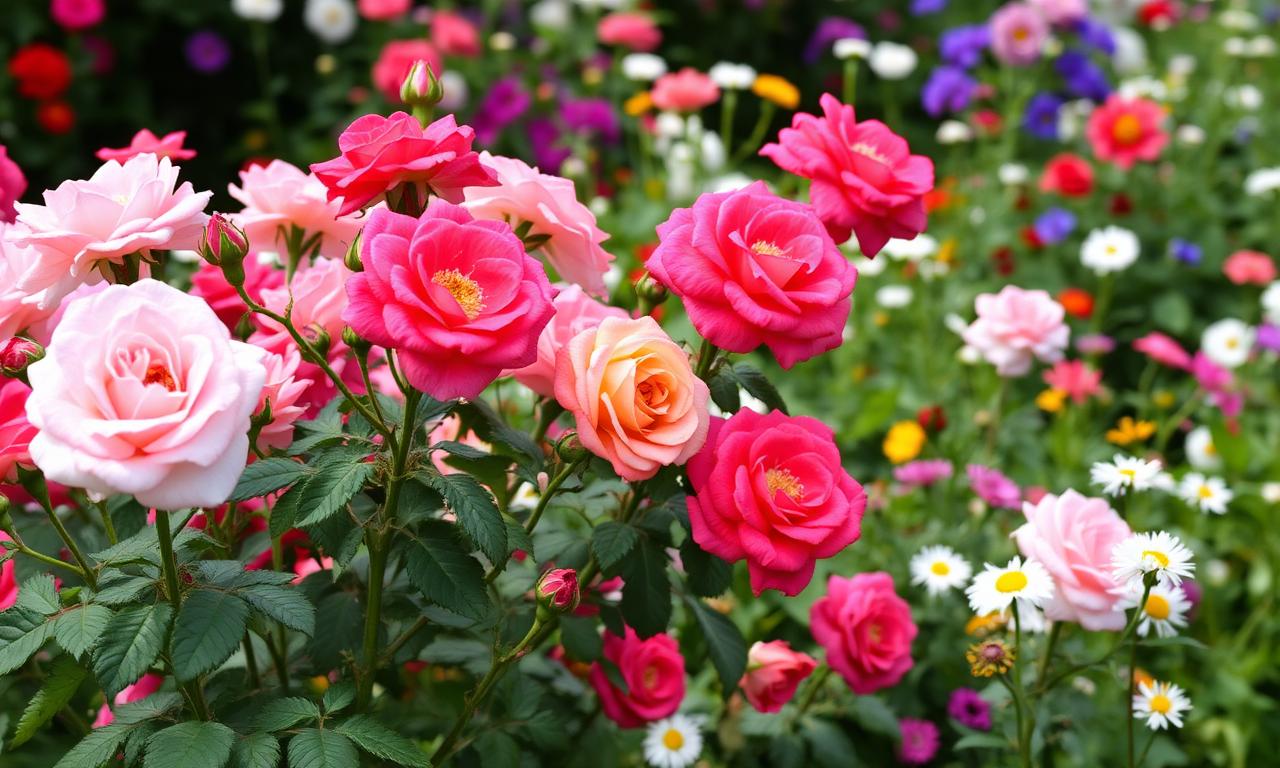
Roses and flowers
Bigger blooms, longer vase life.
Roses and cut flowers reward consistency more than power. A steady drip of balanced minerals produces more petals per stem, deeper color, and stems that hold up for a week or more after cutting.
Feeding schedule
01At spring leaf-out, Radiant Roses at 1 oz per gallon every 2 weeks as a soil drench.
02At first bud, switch to Garden weekly. Water in at the base, never on petals.
03Mid-season, alternate Bloom and Roses every 7 days for continuous flush.
04Three days before cutting, foliar Garden at 0.25 oz per gallon to deepen scent.
05After fall pruning, drench beds with Garden to feed soil through winter.
Field tips
Dahlias, peonies, ranunculus: follow the rose schedule exactly.
Annual cut flowers (zinnias, cosmos): start at step 2.
Pinch the first bud on each new shoot to push more flowering side stems.
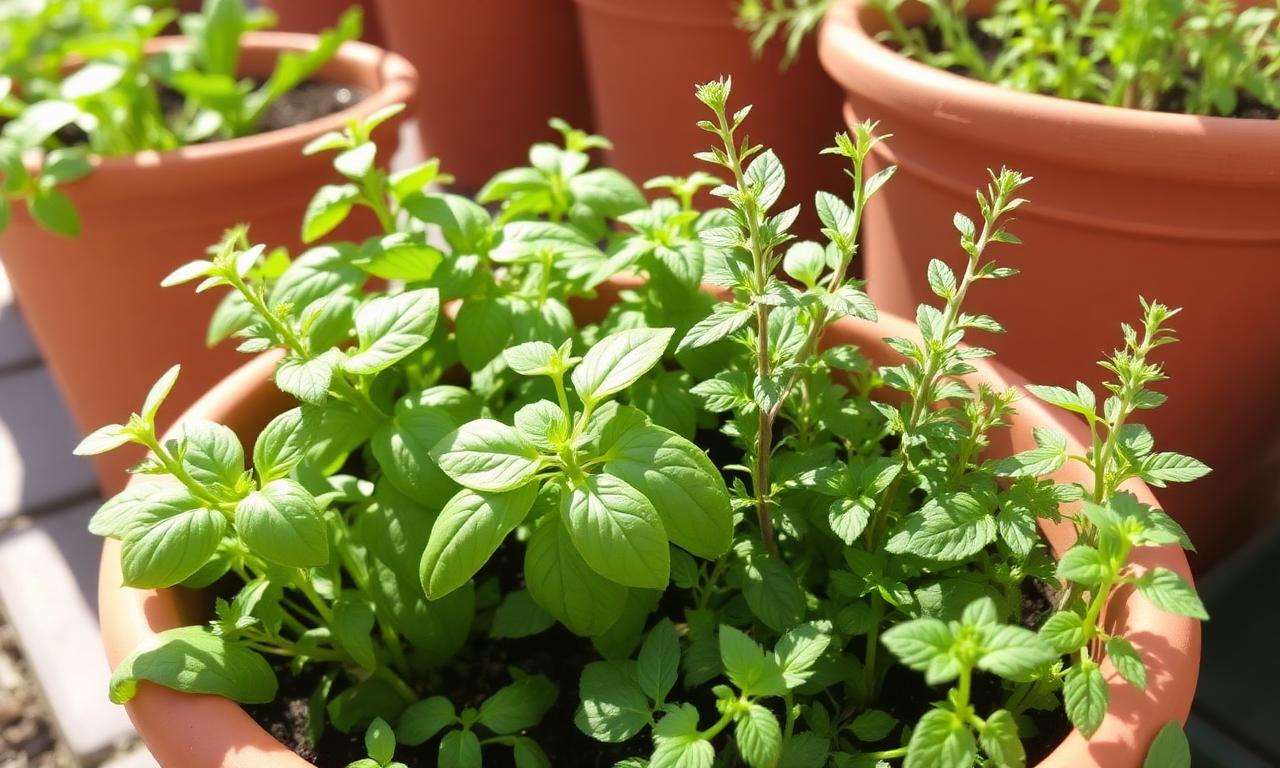
Herbs and aromatics
Concentrate flavor and essential oils.
Herbs taste best when slightly stressed. Too much nitrogen produces big, watery, flavorless leaves. The goal is a light feed early, then a finishing window that pulls oils up into the leaf tissue.
Feeding schedule
01At establishment, light Garden feed at 0.25 oz per gallon weekly for the first 3 weeks.
02During active growth, Garden at 0.5 oz per gallon every 10 days.
03Two weeks before harvest, stop Garden completely and start Garden at 0.25 oz per gallon weekly.
04Last 3 days before cutting, water-only to concentrate flavor in the leaf.
05After cutting back, resume step 2 to push the next flush.
Field tips
Basil, cilantro, parsley: harvest every 2 to 3 weeks, repeat the cycle.
Rosemary, thyme, oregano: cut feed by half, these like lean soil.
Mint: contain in a pot or it takes over the bed.
Lawn and turf
Deep green color without the burn.
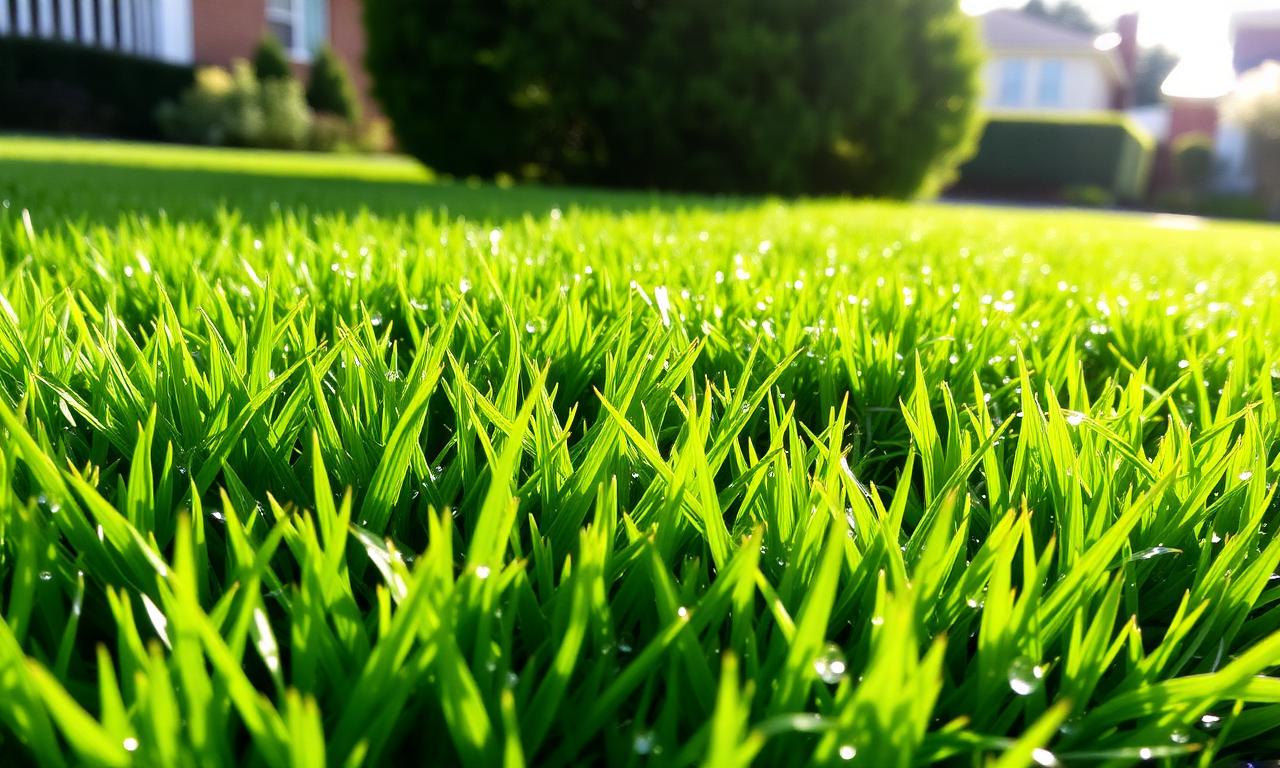
Most lawn problems are soil problems, not grass problems. Synthetic lawn fertilizers spike color for two weeks then leave behind compacted, salt-loaded soil that needs another feed to look the same. A biological program builds turf that holds color through drought.
Feeding schedule
01Early spring, when soil hits 50F, broadcast Garden diluted 2 oz per gallon with a hose-end sprayer over the entire lawn.
02Every 4 weeks through growing season, foliar Garden at 0.5 oz per gallon. Water in lightly after.
03Mid-summer, one Garden drench to push roots deeper before heat stress.
04Early fall, repeat the spring broadcast. This is the most important feed of the year.
05Late fall, after last mow, one final Garden drench to overwinter soil microbes.
Field tips
Mow at 3 to 4 inches, never scalp. Tall grass shades out weeds.
Leave clippings on the lawn, they return roughly 25 percent of the season's nitrogen.
Spot-treat bare patches with a 1 oz per gallon Garden drench at seeding.
Houseplants
Steady growth in low light, indoors.
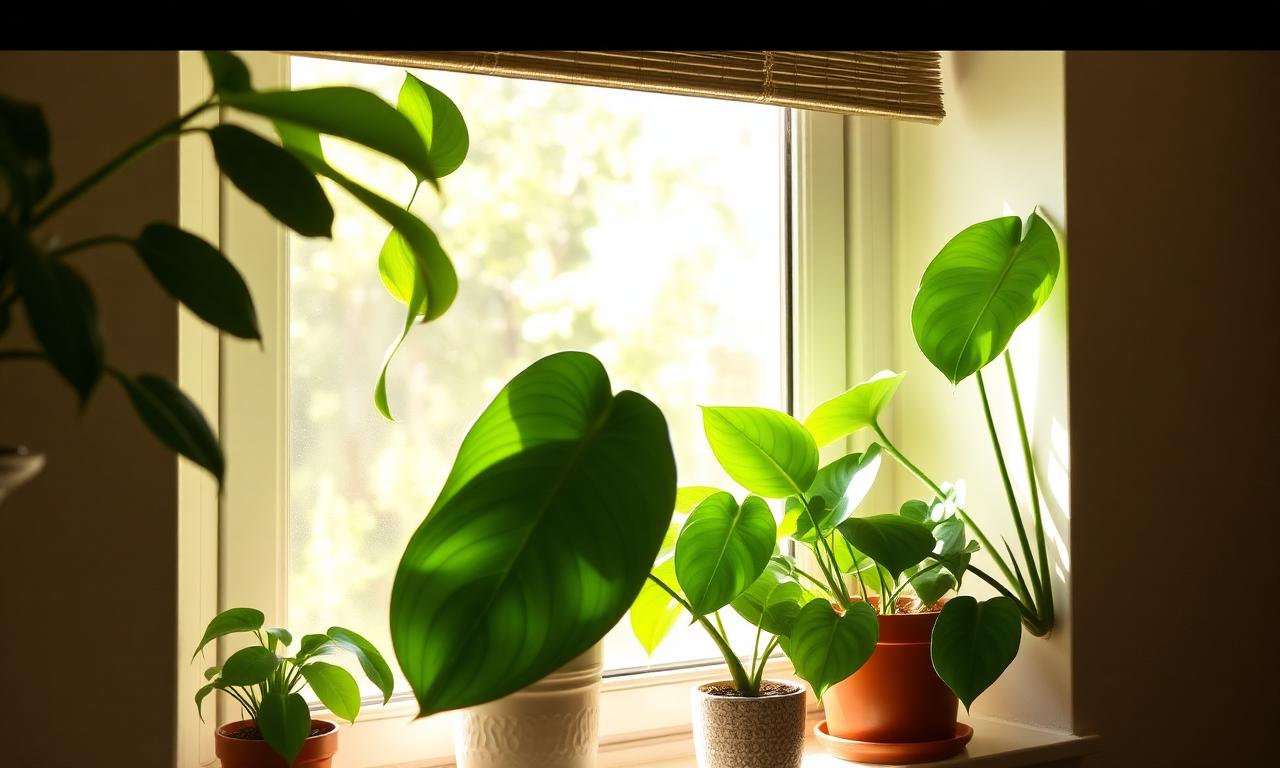
Indoor plants grow slower than outdoor plants because light is the limiting factor, not nutrients. Overfeeding indoors is the single biggest cause of root rot. Less, more often, beats heavy and rare every time.
Feeding schedule
01Every watering during spring and summer, add Garden at 0.25 oz per gallon to the watering can.
02Once per month, flush the pot with plain water until it runs clear from the bottom. This prevents mineral buildup.
03Reduce to 0.1 oz per gallon in fall and winter when growth slows.
04For flowering houseplants (orchids, African violets, peace lilies), swap to Bloom at 0.25 oz per gallon when buds appear.
05Repot every 18 to 24 months, drench fresh soil with Garden before planting.
Field tips
Tropical foliage (monstera, philodendron, pothos): follow the schedule as written.
Cacti and succulents: cut all rates by half, skip the winter feed entirely.
Yellowing lower leaves usually means overwatering, not underfeeding.
Seedlings and starts
Strong roots before the first true leaves.
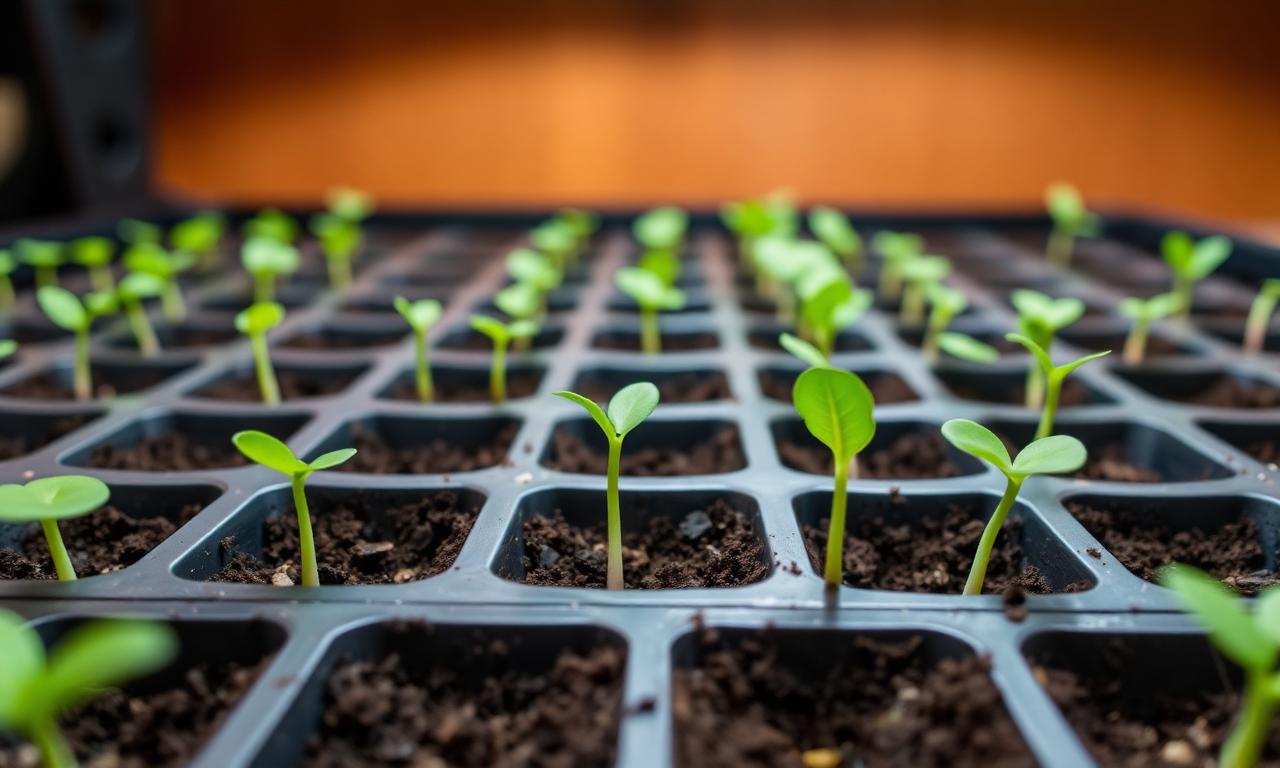
Seedlings have just enough energy stored in the seed to push the first set of leaves. After that they need light food and lots of root oxygen. Too much fertilizer at this stage burns root tips and stunts the plant for weeks.
Feeding schedule
01At seeding, drench seed-starting mix with Garden at 0.25 oz per gallon. Let drain, then plant.
02When the first true leaves appear (not the cotyledons), foliar mist with Garden at 0.1 oz per gallon weekly.
03At second true leaf set, bottom-water with Garden at 0.25 oz per gallon every other watering.
04One week before transplant, harden off outside and skip feed, this toughens stems.
05At transplant, drench the new hole with Garden at 1 oz per gallon before setting the start.
Field tips
Use a fan or hand-brush seedlings daily, airflow builds stem strength.
Bottom heat (70 to 75F) speeds germination, not feeding.
Pale seedlings usually need more light, not more food.
Compost and soil building
Turn yard scraps into living soil.
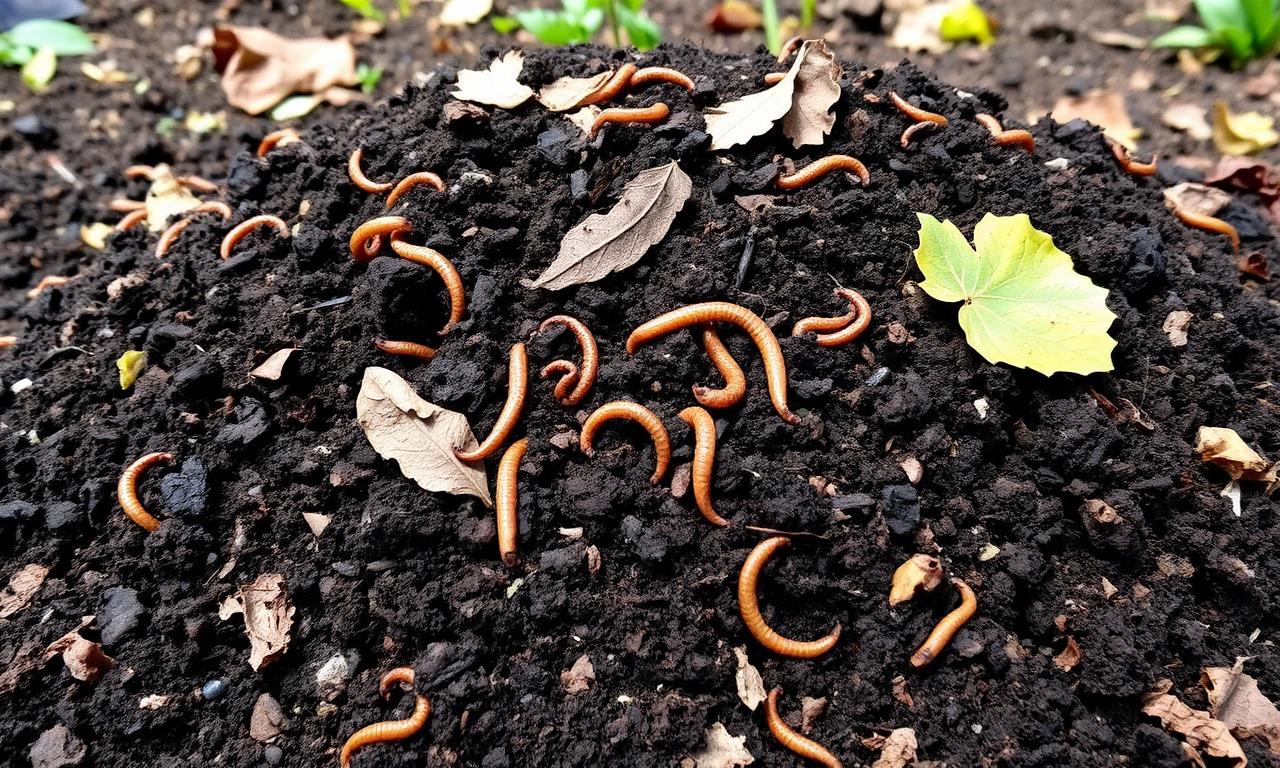
Compost is the most valuable thing you can make at home. A good pile finishes in 8 to 12 weeks and replaces store-bought soil amendments for the entire next season. The trick is moisture, airflow, and a microbial kick-starter.
Feeding schedule
01Build the pile in layers: 3 parts brown (leaves, straw, cardboard) to 1 part green (kitchen scraps, grass).
02Drench each layer with Garden at 2 oz per gallon as you build. This inoculates with the same microbes that build healthy soil.
03Keep the pile as wet as a wrung-out sponge, no wetter. Cover during heavy rain.
04Turn the pile every 10 to 14 days. Pile temperature should hit 130 to 150F in the center.
05When the pile no longer heats after turning, let it cure for 2 weeks. Finished compost smells like a forest floor, not like garbage.
Field tips
No meat, dairy, or oily food, those attract pests and slow the pile.
Crushed eggshells and coffee grounds are gold, add them freely.
A handful of finished compost added to a new pile speeds the next batch by weeks.
Year at a glance
Seasonal calendar
One simple rhythm for the whole property. Pair it with the crop-specific schedules above and you've got a complete year.
Early spring
Garden drench on trees, lawns, perennial beds. Start seedlings indoors.
Late spring
Transplant vegetables, begin Garden foliar program, plant warm-season crops.
Summer
Switch fruiting crops to Bloom, foliar in early morning, mulch heavily to hold moisture.
Early fall
Most important lawn feed of the year. Plant garlic, cover crops, fall greens.
Late fall
Final Garden drench everywhere. Mulch beds. Start a new compost pile with fallen leaves.
Winter
Plan next season. Order seeds. Turn the compost pile on warm days.
Plant library
100 plants, zone by zone.
Vegetables, fruits, herbs, flowers, and houseplants, each with its USDA zone range, sun and water needs, spacing, planting and harvest windows, and the Cannorganix feeding plan that fits it best.
Showing 100 of 100 plants
Tomato
Vegetable
Zones
3 to 11 (annual)
Sun
Full sun, 8+ hrs
Water
1 to 2 in / week, deep
Spacing
24 to 36 in apart
Plant
After last frost, soil 60F+
Harvest
60 to 85 days from transplant
Cannorganix feeding
Garden 1 oz/gal at transplant, switch to Bloom 1 oz/gal weekly at first fruit set
Bury 2/3 of the stem at transplant, roots form along the buried section.
Bell pepper
Vegetable
Zones
4 to 11 (annual)
Sun
Full sun
Water
1 to 1.5 in / week
Spacing
18 to 24 in
Plant
2 weeks after last frost, soil 65F+
Harvest
60 to 90 days
Cannorganix feeding
Garden 0.5 oz/gal biweekly, Bloom 1 oz/gal once flowering starts
Pinch the first flower off, the plant doubles in size before fruiting.
Hot pepper
Vegetable
Zones
5 to 11 (annual)
Sun
Full sun, heat-loving
Water
Moderate, let soil dry between
Spacing
18 to 24 in
Plant
When nights stay above 55F
Harvest
70 to 100 days
Cannorganix feeding
Garden 0.5 oz/gal monthly only, hot peppers prefer lean soil
Stress (less water, less feed) makes peppers hotter, not cooler.
Eggplant
Vegetable
Zones
5 to 12 (annual)
Sun
Full sun
Water
1 in / week
Spacing
24 to 30 in
Plant
3 weeks after last frost, soil 70F+
Harvest
65 to 80 days
Cannorganix feeding
Garden 1 oz/gal biweekly, Bloom at flowering
Pick when skin is glossy. Dull skin means seeds inside have gone bitter.
Cucumber
Vegetable
Zones
4 to 11 (annual)
Sun
Full sun
Water
1 to 2 in / week, consistent
Spacing
12 in (trellised) or 36 in (sprawling)
Plant
After last frost, direct-sow
Harvest
50 to 70 days
Cannorganix feeding
Garden 0.5 oz/gal weekly, Bloom once first fruit forms
Trellis them, you'll get 3x the yield in 1/4 the space.
Zucchini
Vegetable
Zones
3 to 10 (annual)
Sun
Full sun
Water
1 to 2 in / week
Spacing
36 in
Plant
After last frost, direct-sow
Harvest
45 to 55 days
Cannorganix feeding
Garden 1 oz/gal at planting, Bloom 1 oz/gal weekly after flowering
Pick at 6 to 8 in long. Bigger fruit becomes seedy and stops new flower production.
Winter squash
Vegetable
Zones
3 to 10 (annual)
Sun
Full sun
Water
1 in / week, taper at ripening
Spacing
48 to 72 in
Plant
After last frost
Harvest
90 to 120 days
Cannorganix feeding
Plus 2 oz/gal at planting, Bloom 1 oz/gal monthly
Cure in the sun for 10 days after picking, doubles storage life.
Pumpkin
Vegetable
Zones
3 to 9 (annual)
Sun
Full sun
Water
1 to 2 in / week
Spacing
60 to 96 in
Plant
Late May to early June
Harvest
100 to 120 days, before first frost
Cannorganix feeding
Plus 2 oz/gal at planting, Bloom monthly through fruit set
For a giant pumpkin, prune to one fruit per vine.
Watermelon
Vegetable
Zones
3 to 11 (annual)
Sun
Full sun, heat
Water
1 to 2 in / week, cut back at ripening
Spacing
36 to 60 in
Plant
Soil 70F+, 2 weeks after last frost
Harvest
70 to 90 days
Cannorganix feeding
Garden until flowering, then Bloom 1 oz/gal every 10 days
Tap test. Ripe melons sound hollow, unripe ones sound dull.
Cantaloupe
Vegetable
Zones
4 to 10 (annual)
Sun
Full sun
Water
1 in / week
Spacing
36 in
Plant
Soil 65F+
Harvest
75 to 90 days
Cannorganix feeding
Garden 0.5 oz/gal biweekly, Bloom once fruit sets
Slip test. Ripe melons separate from the vine with a gentle tug.
Carrot
Vegetable
Zones
3 to 10
Sun
Full sun to part shade
Water
1 in / week
Spacing
2 to 3 in, thin early
Plant
Spring (cool soil) and fall
Harvest
60 to 80 days
Cannorganix feeding
Plus 1 oz/gal at sowing only, avoid nitrogen later or carrots fork
Sow into loose, deep soil. Rocks and clods cause twisted roots.
Beet
Vegetable
Zones
2 to 10
Sun
Full sun to part shade
Water
1 in / week
Spacing
3 to 4 in
Plant
Spring and late summer
Harvest
55 to 70 days
Cannorganix feeding
Garden 0.25 oz/gal biweekly, light feed only
Eat the greens too, they're more nutritious than the root.
Radish
Vegetable
Zones
2 to 10
Sun
Full sun
Water
Consistent, never dry
Spacing
1 to 2 in
Plant
Cool weather, spring and fall
Harvest
25 to 35 days
Cannorganix feeding
Plus 0.5 oz/gal at sowing, no additional feed needed
The fastest crop in the garden. Sow in succession every 10 days.
Turnip
Vegetable
Zones
3 to 9
Sun
Full sun
Water
1 in / week
Spacing
4 in
Plant
Spring and fall, cool weather
Harvest
40 to 60 days
Cannorganix feeding
Garden 0.25 oz/gal once at thinning
Light frost sweetens the root.
Onion
Vegetable
Zones
3 to 9
Sun
Full sun
Water
1 in / week, stop at lodging
Spacing
4 to 6 in
Plant
Early spring from sets or starts
Harvest
90 to 120 days, when tops fall over
Cannorganix feeding
Garden 0.5 oz/gal monthly until bulbing, then stop
Cure in a shaded, airy spot for 2 weeks before storage.
Garlic
Vegetable
Zones
3 to 9
Sun
Full sun
Water
1 in / week, stop 2 weeks before harvest
Spacing
6 in
Plant
Fall, 6 weeks before ground freezes
Harvest
Following July when lower leaves brown
Cannorganix feeding
Plus 2 oz/gal at planting, Garden 0.5 oz/gal in early spring
Snap off scapes (flower stalks) in June, bulbs grow 30 percent bigger.
Leek
Vegetable
Zones
3 to 9
Sun
Full sun
Water
1 in / week
Spacing
6 in
Plant
Early spring from starts
Harvest
100 to 130 days
Cannorganix feeding
Garden 0.5 oz/gal monthly
Hill soil up around the stem as it grows for longer white shanks.
Potato
Vegetable
Zones
3 to 10
Sun
Full sun
Water
1 to 2 in / week, taper at flowering
Spacing
12 in, rows 36 in apart
Plant
2 weeks before last frost
Harvest
70 to 120 days
Cannorganix feeding
Plus 2 oz/gal at planting, Garden 0.5 oz/gal at hilling
Hill soil over stems every 2 weeks, more stem = more tubers.
Sweet potato
Vegetable
Zones
6 to 11
Sun
Full sun
Water
1 in / week, dry final 2 weeks
Spacing
12 to 18 in
Plant
Slips, 2 weeks after last frost
Harvest
90 to 120 days
Cannorganix feeding
Garden 0.5 oz/gal monthly, avoid heavy nitrogen
Cure at 80F and high humidity for 10 days to develop sweetness.
Lettuce
Vegetable
Zones
2 to 11 (cool season)
Sun
Part shade in summer
Water
Frequent, shallow roots
Spacing
8 to 12 in
Plant
Early spring and fall, succession every 2 weeks
Harvest
30 to 60 days
Cannorganix feeding
Garden 0.25 oz/gal weekly
Cut outer leaves, the plant keeps producing for 2 months.
Spinach
Vegetable
Zones
2 to 9 (cool season)
Sun
Full sun to part shade
Water
1 in / week
Spacing
4 to 6 in
Plant
Early spring and fall
Harvest
40 to 50 days
Cannorganix feeding
Garden 0.25 oz/gal every 2 weeks
Bolts in heat. Plant heat-tolerant varieties (Malabar, New Zealand) for summer.
Kale
Vegetable
Zones
2 to 11
Sun
Full sun to part shade
Water
1 in / week
Spacing
18 to 24 in
Plant
Spring and fall
Harvest
55 to 75 days, sweeter after frost
Cannorganix feeding
Garden 0.5 oz/gal monthly
Pick outer leaves only, the plant produces for 6+ months.
Swiss chard
Vegetable
Zones
3 to 10
Sun
Full sun to part shade
Water
1 in / week
Spacing
12 in
Plant
Spring through midsummer
Harvest
55 to 65 days, all season
Cannorganix feeding
Garden 0.5 oz/gal monthly
One of the few greens that produces from spring through hard frost.
Arugula
Vegetable
Zones
3 to 11
Sun
Full sun to part shade
Water
Consistent moisture
Spacing
4 to 6 in
Plant
Spring and fall, succession
Harvest
20 to 40 days
Cannorganix feeding
Plus 0.5 oz/gal at sowing, light Garden after first cut
Hot weather and dry soil make it bitter. Grow it cool and wet.
Broccoli
Vegetable
Zones
3 to 10
Sun
Full sun
Water
1 to 1.5 in / week
Spacing
18 to 24 in
Plant
Early spring and late summer
Harvest
60 to 90 days
Cannorganix feeding
Garden 1 oz/gal biweekly until head forms
Cut the main head with 6 in of stem, side shoots produce for another 6 weeks.
Cauliflower
Vegetable
Zones
3 to 11
Sun
Full sun
Water
1.5 in / week, consistent
Spacing
18 to 24 in
Plant
Spring and fall, cool weather only
Harvest
55 to 100 days
Cannorganix feeding
Garden 1 oz/gal biweekly
Tie outer leaves over the head when it reaches egg-size, keeps it pure white.
Cabbage
Vegetable
Zones
1 to 10
Sun
Full sun
Water
1.5 in / week
Spacing
18 to 24 in
Plant
Early spring and late summer
Harvest
70 to 110 days
Cannorganix feeding
Garden 0.5 oz/gal biweekly
Twist the head a quarter turn 2 weeks before harvest to prevent splitting.
Brussels sprouts
Vegetable
Zones
2 to 9
Sun
Full sun
Water
1 to 1.5 in / week
Spacing
24 to 36 in
Plant
Late spring for fall harvest
Harvest
90 to 110 days, after first frost
Cannorganix feeding
Garden 0.5 oz/gal monthly, taper at sprout formation
Top the plant in early September, all the energy goes to sprout size.
Pea
Vegetable
Zones
2 to 11
Sun
Full sun
Water
1 in / week
Spacing
2 to 3 in, trellis
Plant
As soon as soil can be worked
Harvest
55 to 70 days
Cannorganix feeding
Plus 1 oz/gal at sowing only, peas fix their own nitrogen
Pick daily once production starts, missed pods stop new flowering.
Green bean
Vegetable
Zones
3 to 10
Sun
Full sun
Water
1 in / week
Spacing
3 to 4 in (bush), 6 in (pole)
Plant
After last frost, soil 60F+
Harvest
50 to 70 days
Cannorganix feeding
Plus 1 oz/gal at sowing, then water only
Pole beans outproduce bush 3 to 1 over a full season.
Strawberry
Fruit
Zones
3 to 10
Sun
Full sun
Water
1 in / week
Spacing
12 to 18 in
Plant
Early spring or fall
Harvest
Year 2 onward, June to July
Cannorganix feeding
Plus 2 oz/gal at planting, Bloom 1 oz/gal during flowering
Pinch off all flowers year one, the plant builds roots for a massive year two.
Blueberry
Fruit
Zones
3 to 9
Sun
Full sun
Water
1 to 2 in / week, acidic mulch
Spacing
5 to 6 ft
Plant
Early spring or fall
Harvest
Year 3, July to August
Cannorganix feeding
Plus 1 oz/gal monthly, Bloom at flowering, both at half rate
Soil pH must be 4.5 to 5.5. Add pine needles or sulfur to lower it.
Raspberry
Fruit
Zones
3 to 9
Sun
Full sun
Water
1 to 2 in / week
Spacing
24 to 36 in
Plant
Early spring
Harvest
Summer or fall depending on variety
Cannorganix feeding
Plus 2 oz/gal at planting, Garden 0.5 oz/gal monthly
Prune fall-bearing varieties to the ground each winter for the easiest care.
Blackberry
Fruit
Zones
5 to 10
Sun
Full sun
Water
1 to 2 in / week
Spacing
36 to 48 in
Plant
Early spring
Harvest
July to August
Cannorganix feeding
Plus 2 oz/gal at planting, Bloom at flowering
Trellis on 2 wires (3 ft and 5 ft) to keep canes upright and pickable.
Grape
Fruit
Zones
4 to 10
Sun
Full sun
Water
1 in / week, deep
Spacing
6 to 10 ft on trellis
Plant
Early spring
Harvest
Year 3, August to October
Cannorganix feeding
Plus 2 oz/gal at bud break, Bloom monthly during fruit
Prune hard. Remove 90 percent of last year's growth every winter.
Apple
Fruit
Zones
3 to 9 (variety-dependent)
Sun
Full sun
Water
Deep weekly, mature trees
Spacing
15 to 20 ft (semi-dwarf)
Plant
Early spring or fall, bare-root
Harvest
Year 3 to 5, August to October
Cannorganix feeding
Plus 2 oz/gal at dripline in late winter, Bloom monthly through fruit set
Plant 2 different varieties within 50 ft for pollination.
Pear
Fruit
Zones
4 to 9
Sun
Full sun
Water
Deep weekly
Spacing
15 to 20 ft
Plant
Early spring, bare-root
Harvest
Year 3 to 5, August to October, ripen off the tree
Cannorganix feeding
Plus 2 oz/gal late winter, Garden 0.5 oz/gal monthly
Pick when stem snaps off with a gentle upward twist, ripen on counter for 5 days.
Peach
Fruit
Zones
5 to 9
Sun
Full sun
Water
1 in / week
Spacing
15 to 20 ft
Plant
Early spring
Harvest
Year 3, July to August
Cannorganix feeding
Plus 2 oz/gal at bud break, Bloom every 10 days during fruit
Thin fruit to 6 in apart, the remaining peaches double in size.
Plum
Fruit
Zones
4 to 9
Sun
Full sun
Water
Deep weekly
Spacing
15 to 20 ft
Plant
Early spring
Harvest
Year 3 to 5, July to September
Cannorganix feeding
Plus 2 oz/gal late winter, Bloom monthly
Most varieties need a pollinator partner, check before you buy.
Cherry
Fruit
Zones
4 to 8 (sweet), 3 to 8 (sour)
Sun
Full sun
Water
Deep weekly, taper at ripening
Spacing
20 to 25 ft
Plant
Early spring
Harvest
Year 3 to 5, June to July
Cannorganix feeding
Plus 2 oz/gal late winter, Bloom at fruit set
Net the tree 3 weeks before harvest or birds take everything.
Apricot
Fruit
Zones
5 to 8
Sun
Full sun, sheltered from late frost
Water
Deep weekly
Spacing
20 ft
Plant
Early spring
Harvest
Year 3 to 5, June to July
Cannorganix feeding
Plus 2 oz/gal late winter, Garden 0.5 oz/gal monthly
Blooms early, plant on a north slope to delay flowering past frost danger.
Fig
Fruit
Zones
7 to 11 (in-ground), 4+ in containers
Sun
Full sun
Water
1 in / week
Spacing
10 to 15 ft or 15-gal container
Plant
Spring
Harvest
Year 2 to 3, July through October
Cannorganix feeding
Garden 0.5 oz/gal monthly during growth, Bloom at first fruit
In cold zones, grow in a pot and overwinter in an unheated garage.
Lemon
Fruit
Zones
9 to 11 (or container)
Sun
Full sun, 8+ hrs
Water
Deep but infrequent
Spacing
10 to 15 ft
Plant
Spring
Harvest
Year-round in mature trees
Cannorganix feeding
Garden 0.5 oz/gal monthly year-round, Bloom at flowering
Container citrus needs feeding 12 months a year, no dormancy indoors.
Orange
Fruit
Zones
9 to 11
Sun
Full sun
Water
Deep weekly
Spacing
15 to 20 ft
Plant
Spring
Harvest
December to April
Cannorganix feeding
Garden 0.5 oz/gal monthly, Bloom at flower set
Yellow leaves usually mean overwatering, not nitrogen deficiency.
Lime
Fruit
Zones
9 to 11
Sun
Full sun
Water
Moderate, drain well
Spacing
10 to 15 ft
Plant
Spring
Harvest
Year-round, mainly summer
Cannorganix feeding
Garden 0.5 oz/gal monthly
Pick when fruit is heavy and slightly soft, color is a poor ripeness indicator.
Avocado
Fruit
Zones
9 to 11
Sun
Full sun
Water
Deep, then let drain fully
Spacing
20 to 30 ft
Plant
Spring
Harvest
Year 4+, varies by variety
Cannorganix feeding
Garden 0.5 oz/gal monthly, Plus 2 oz/gal twice a year
Mulch heavily, avocado feeder roots live in the top 6 in of soil.
Pomegranate
Fruit
Zones
7 to 11
Sun
Full sun
Water
Deep, drought-tolerant once mature
Spacing
10 to 15 ft
Plant
Spring or fall
Harvest
Year 3, September to October
Cannorganix feeding
Plus 2 oz/gal late winter, Bloom at flowering
Skin should crack slightly when ripe, that's the signal to pick.
Olive
Fruit
Zones
8 to 11
Sun
Full sun
Water
Deep, very drought-tolerant
Spacing
15 to 20 ft
Plant
Spring
Harvest
Year 3 to 5, October to November
Cannorganix feeding
Plus 1 oz/gal late winter, Garden 0.5 oz/gal once at flowering
Cure or brine fruit, raw olives are inedibly bitter.
Kiwi
Fruit
Zones
4 to 9 (hardy), 8 to 11 (fuzzy)
Sun
Full sun
Water
Deep weekly
Spacing
10 ft on a strong trellis
Plant
Spring
Harvest
Year 3 to 5, October
Cannorganix feeding
Plus 2 oz/gal late winter, Garden 0.5 oz/gal monthly
Needs one male per 6 to 8 female vines for pollination.
Persimmon
Fruit
Zones
4 to 9 (American), 7 to 11 (Asian)
Sun
Full sun
Water
Deep weekly while young
Spacing
20 ft
Plant
Spring
Harvest
Year 4+, October to November
Cannorganix feeding
Plus 2 oz/gal late winter, Garden 0.5 oz/gal monthly
Astringent varieties must fully ripen on the tree, eat-when-soft.
Basil
Herb
Zones
2 to 11 (annual)
Sun
Full sun
Water
Consistent moisture
Spacing
12 in
Plant
After last frost, soil 65F+
Harvest
60 to 90 days, all summer
Cannorganix feeding
Garden 0.25 oz/gal biweekly, light only
Pinch flowering tops weekly to keep leaves producing.
Cilantro
Herb
Zones
2 to 11
Sun
Full sun to part shade
Water
Consistent moisture
Spacing
6 in
Plant
Spring and fall, succession every 3 weeks
Harvest
30 to 45 days
Cannorganix feeding
Plus 0.5 oz/gal at sowing only
Bolts in heat. Once it flowers, let it go to coriander seed.
Parsley
Herb
Zones
3 to 11
Sun
Full sun to part shade
Water
1 in / week
Spacing
8 in
Plant
Early spring, slow germination
Harvest
70 to 90 days, all season
Cannorganix feeding
Garden 0.25 oz/gal monthly
Soak seeds 24 hours in warm water before planting, doubles germination.
Mint
Herb
Zones
3 to 11
Sun
Full sun to part shade
Water
Consistent moisture
Spacing
Plant in container
Plant
Spring or fall
Harvest
60 days, then continuous
Cannorganix feeding
Garden 0.25 oz/gal monthly
Always plant in a pot. In the ground it will take over the entire bed in 2 years.
Rosemary
Herb
Zones
7 to 11 (in-ground), 4+ container
Sun
Full sun
Water
Drought-tolerant, dry between
Spacing
24 to 36 in
Plant
Spring
Harvest
Year-round once established
Cannorganix feeding
Plus 0.5 oz/gal twice a year, no more
Wet feet kill rosemary faster than cold. Plant in gritty, drained soil.
Thyme
Herb
Zones
5 to 9
Sun
Full sun
Water
Drought-tolerant
Spacing
12 in
Plant
Spring
Harvest
Year-round
Cannorganix feeding
Plus 0.5 oz/gal once in spring
Best flavor comes from plants grown in lean, rocky soil.
Oregano
Herb
Zones
4 to 10
Sun
Full sun
Water
Drought-tolerant
Spacing
12 to 18 in
Plant
Spring
Harvest
60 days, all season
Cannorganix feeding
Garden 0.25 oz/gal once at midsummer
Flavor peaks just before flowering, harvest then for drying.
Sage
Herb
Zones
4 to 10
Sun
Full sun
Water
Drought-tolerant
Spacing
18 to 24 in
Plant
Spring
Harvest
Year 2 onward
Cannorganix feeding
Plus 0.5 oz/gal once in spring
Replace plants every 4 to 5 years, woody sage loses flavor.
Dill
Herb
Zones
3 to 11
Sun
Full sun
Water
1 in / week
Spacing
12 in
Plant
Direct-sow after last frost
Harvest
60 to 90 days
Cannorganix feeding
Garden 0.25 oz/gal once at thinning
Self-seeds aggressively. Let one plant flower and you have dill forever.
Chives
Herb
Zones
3 to 10
Sun
Full sun to part shade
Water
1 in / week
Spacing
8 in
Plant
Spring, perennial
Harvest
Year 1, every 4 weeks
Cannorganix feeding
Garden 0.25 oz/gal monthly
Divide clumps every 3 years, doubles your stock and refreshes growth.
Tarragon
Herb
Zones
4 to 9
Sun
Full sun to part shade
Water
Moderate
Spacing
18 to 24 in
Plant
Spring, perennial
Harvest
Year 2 onward
Cannorganix feeding
Plus 0.5 oz/gal in early spring
Buy French tarragon plants, never seeds. Seed varieties are flavorless Russian tarragon.
Lavender
Herb
Zones
5 to 9
Sun
Full sun
Water
Drought-tolerant, dry soil
Spacing
24 to 36 in
Plant
Spring, perennial
Harvest
Year 2, June to July
Cannorganix feeding
Plus 0.5 oz/gal once in spring, no nitrogen
Prune by 1/3 after flowering, prevents woody, sparse plants.
Lemon balm
Herb
Zones
4 to 9
Sun
Full sun to part shade
Water
Moderate
Spacing
18 in
Plant
Spring, perennial
Harvest
60 days, all season
Cannorganix feeding
Garden 0.25 oz/gal once in spring
Cut hard after flowering, regrows fresh leaves in 3 weeks.
Marjoram
Herb
Zones
9 to 11 perennial, annual elsewhere
Sun
Full sun
Water
Drought-tolerant
Spacing
12 in
Plant
After last frost
Harvest
60 days
Cannorganix feeding
Garden 0.25 oz/gal monthly
Sweeter and milder than oregano, doesn't survive freezes outside zone 9.
Fennel
Herb
Zones
4 to 9 (herb), 6 to 10 (bulb)
Sun
Full sun
Water
1 in / week, consistent
Spacing
12 to 18 in
Plant
Spring or late summer
Harvest
80 to 100 days for bulbs
Cannorganix feeding
Garden 0.5 oz/gal at thinning
Don't plant near dill or coriander, they cross and you lose all three.
Rose
Flower
Zones
3 to 11 (variety-dependent)
Sun
Full sun, 6+ hrs
Water
1 to 2 in / week at base
Spacing
24 to 36 in
Plant
Spring or fall
Harvest
Blooms May to October
Cannorganix feeding
Radiant Roses 1 oz/gal every 2 weeks, Bloom weekly during flush
Water at the base only, wet leaves cause black spot.
Sunflower
Flower
Zones
2 to 11 (annual)
Sun
Full sun
Water
1 in / week, deep
Spacing
12 to 24 in (depends on variety)
Plant
After last frost
Harvest
Blooms August to September
Cannorganix feeding
Plus 2 oz/gal at planting, Garden 0.5 oz/gal once at bud
Plant in succession every 2 weeks for blooms from July through October.
Zinnia
Flower
Zones
3 to 10 (annual)
Sun
Full sun
Water
1 in / week
Spacing
9 to 12 in
Plant
After last frost
Harvest
60 days, all summer
Cannorganix feeding
Garden 0.5 oz/gal biweekly, Bloom at first bud
Cut flowers above a node, two new stems grow back for every one cut.